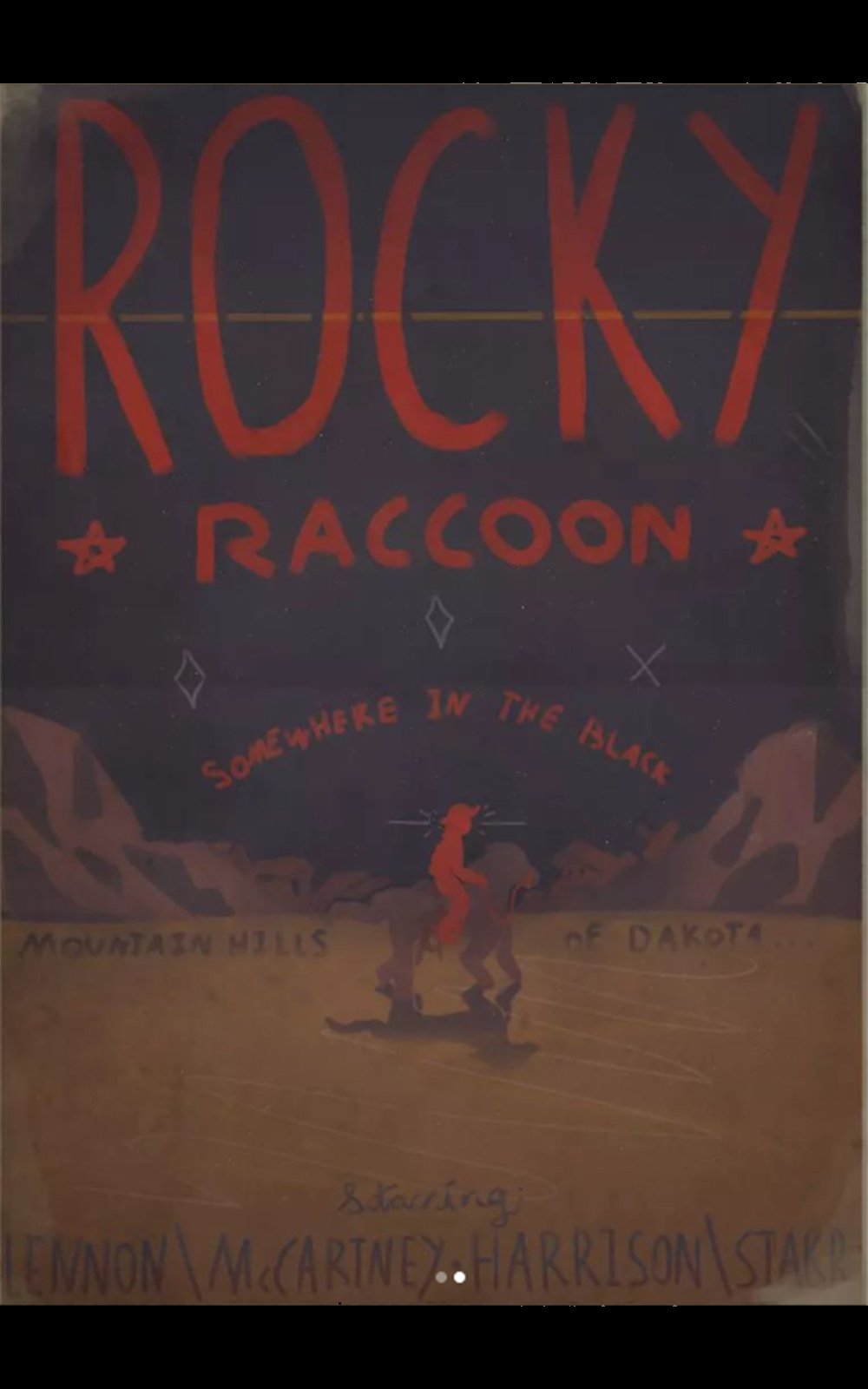
The Beatles were more than just a band; they were a cultural phenomenon that transcended music, leaving an indelible mark on fashion, art, and, perhaps less overtly, the world of cinema. Delving into the Production History and Filmmaking Innovations in Beatles' Movies reveals a surprising journey, from groundbreaking pop-art realism to psychedelic animation and candid documentaries. Their collective film output, though often overshadowed by their musical catalogue, played a pivotal role in shaping popular culture, influencing everything from music videos to independent cinema.
Far from being mere promotional vehicles, these films—shot amidst the whirlwind of Beatlemania and later, the introspection of their final years—showcased adventurous directorial choices, experimental narrative structures, and a willingness to push the boundaries of what a "pop star movie" could be. They were a canvas for exploring identity, fame, and the very fabric of creativity itself.
At a Glance: The Beatles' Cinematic Legacy
- Pioneering Director: Richard Lester's energetic, vérité-style filmmaking for A Hard Day's Night and Help! set a new standard for musical comedies and influenced early music videos.
- Genre-Bending: From farcical comedies to surreal road trips, groundbreaking animation, and raw documentaries, The Beatles' films rarely stuck to one genre.
- Visual Experimentation: They embraced black-and-white realism, vibrant psychedelia, and innovative animation techniques, reflecting and driving the visual trends of their era.
- Influence on Music Videos: Lester's rapid-fire editing and non-linear storytelling in their early films are widely considered direct precursors to the modern music video.
- Documentary Foresight: Let It Be (and later, Get Back) provided an unprecedented, intimate look at a band's creative process and ultimate dissolution, shaping future rockumentaries.
- Individual Contributions: Beyond the group, members like George Harrison (HandMade Films) and John Lennon (acting) significantly impacted film production and artistry.
- Enduring Relevance: Their films continue to be studied for their historical context, artistic merit, and lasting influence on filmmaking techniques and storytelling.
The Dawn of Beatlemania on Screen: A Hard Day's Night (1964)
By 1964, The Beatles were a global sensation, and the demand for a film was immense. What could have been a hastily assembled cash-in instead became a cinematic landmark: A Hard Day's Night. Directed by Richard Lester, an American expat with a background in experimental shorts and television commercials, the film was anything but conventional.
Production Insights: Lester, renowned for his quick wit and visual flair, was given a relatively small budget and a tight schedule. He chose to shoot in black and white, a decision that not only saved money but also lent an immediate gravitas and timeless quality to the proceedings. The script, penned by Alun Owen, cleverly captured the band's individual personalities and sharp humor, blurring the lines between their real selves and their on-screen personas. Filming took place amidst genuine Beatlemania, with hordes of fans often visible just outside the controlled sets, adding an undeniable authenticity to the chaotic energy depicted.
Filmmaking Innovations: Lester's approach was revolutionary. He utilized a handheld camera, jump cuts, and rapid-fire editing techniques that felt spontaneous and almost documentary-like, perfectly mirroring the frenetic energy of the band and their era. This "mock-documentary" or cinéma vérité style, though not invented by Lester, was applied to popular entertainment with unprecedented success. The film broke away from traditional musical numbers, integrating songs directly into the narrative action, often preceding the very concept of a music video. You see the band running, laughing, and performing, all with an infectious energy that felt unscripted and raw. It was a stylistic template that would be widely imitated. The film was a masterclass in capturing the phenomenon of Beatlemania on screen, showcasing its charm, absurdity, and suffocating pressures.
Escalating Surrealism: Help! (1965)
Following the unexpected success of A Hard Day's Night, the pressure was on for a follow-up. Lester returned to direct Help!, a much more ambitious and stylized project that traded the black-and-white realism for vibrant color and escalated surrealism.
Production Insights: With a larger budget at his disposal, Lester took The Beatles on a global adventure, filming in exotic locations from the Austrian Alps to the Bahamas. This expanded scope, while visually stunning, presented new challenges. The band, increasingly tired of the demands of fame and the grind of constant work, often indulged in marijuana on set, making focus difficult. Despite these challenges, Lester's professionalism and vision held the production together. The plot, a farcical spy comedy involving a religious cult trying to sacrifice Ringo Starr, was intentionally flimsy, serving primarily as a framework for elaborate visual gags and musical performances.
Filmmaking Innovations: Help! pushed the boundaries of visual comedy and aesthetic design. Lester leaned heavily into the absurd, employing quick cuts, split screens, and unconventional camera angles to create a sense of manic energy. The shift to color allowed for a richer, more playful palette, using vibrant hues to emphasize the film's whimsical, dreamlike quality. While A Hard Day's Night established Lester's style, Help! cemented Richard Lester's distinctive directorial style of mixing slapstick with satire, an influence that would be felt across comedy and musical genres for decades. The film also experimented with narrative absurdity, often breaking the fourth wall and embracing non-sequiturs, foreshadowing the more experimental cinema of the late 1960s.
Psychedelia Takes the Wheel: Magical Mystery Tour (1967)
After the groundbreaking Sgt. Pepper's Lonely Hearts Club Band album, The Beatles were keen to maintain their creative autonomy and push artistic boundaries further. Magical Mystery Tour was their self-directed foray into television, a project that was both a passion project and a profound lesson in cinematic authorship.
Production Insights: This was The Beatles' first major directorial effort, driven primarily by Paul McCartney's vision. Without a traditional script, the film was largely improvised, a "happening" that documented a real bus trip through the English countryside, interspersed with bizarre, dreamlike sequences. The lack of a clear narrative or experienced director (despite their previous work with Lester) led to a chaotic production. Filming in color, the crew captured a series of surreal vignettes, from an impromptu army drill to a spaghetti-eating strongman, all loosely tied together by the bus journey. Upon its initial broadcast on Boxing Day 1967, the film was met with widespread critical confusion and derision, primarily due to its non-linear structure and abstract visuals.
Filmmaking Innovations: Magical Mystery Tour was a bold leap into experimental filmmaking. It fully embraced the burgeoning psychedelic filmmaking scene of the late '60s, characterized by its non-linear narrative, vibrant, often distorted visuals, and an almost stream-of-consciousness editing style. The film deliberately challenged conventional storytelling, forcing audiences to engage with its abstract symbolism and dream logic. While commercially and critically divisive at the time, its use of music as the primary narrative driver and its embrace of the avant-garde make it a fascinating artifact of its era, influencing future experimental music films and cult classics. It was a testament to the band's willingness to fail publicly in the pursuit of artistic growth.
Animated Wonders: Yellow Submarine (1968)
By 1968, The Beatles were less enthusiastic about traditional acting roles but still had a contractual obligation for a third film. This led to a brilliant workaround: an animated feature that would use their music and iconic imagery without demanding their full-time presence. The result was Yellow Submarine, a triumph of animated art.
Production Insights: Produced by Al Brodax, the film was animated by a team led by George Dunning at TVC London. The Beatles themselves had minimal direct involvement beyond supplying songs and a brief live-action cameo at the end. Their lack of participation was ironically a blessing, allowing the animation team immense creative freedom to interpret the band's music and psychedelic aesthetic visually. The animation process was painstaking, employing various techniques including rotoscoping, cel animation, and surrealistic cut-out effects. The artists drew inspiration from Pop Art, Peter Max, and the Art Nouveau movement, crafting a truly unique visual style.
Filmmaking Innovations: Yellow Submarine was a groundbreaking achievement in animation. Its vibrant, kaleidoscopic visuals perfectly captured the spirit of the psychedelic era, proving the potential of animated music films as a powerful artistic medium. The film's narrative, a whimsical journey to save Pepperland from the Blue Meanies, was a colorful allegory for peace and love, deeply resonating with the counter-culture movement. Its innovative blend of surrealism, pop art, and intricate visual storytelling synchronized seamlessly with The Beatles' music, creating an immersive experience unlike anything seen before. Yellow Submarine remains a touchstone for animators and a beloved classic, demonstrating how animated features could be both commercially successful and artistically audacious.
A Candid Look at the End: Let It Be (1970) & Get Back (2021)
The final chapter of The Beatles' collective cinematic journey offered an intimate, often painful, look at their dissolution. Let It Be, released shortly after the band broke up in 1970, was a documentary intended to capture the making of an album, but inadvertently documented the unraveling of the world's biggest band. Decades later, The Beatles: Get Back offered a profound re-contextualization.
Production Insights (Let It Be): Directed by Michael Lindsay-Hogg, the film was originally conceived as a TV special capturing the band rehearsing and performing new songs, culminating in a live concert. What transpired, however, was a tense, often difficult production marked by creative differences, interpersonal friction, and the looming presence of Yoko Ono. Filmed at Twickenham Film Studios and later at Apple Corps' new Savile Row headquarters, the cameras captured the mundane, the magical, and the heartbreaking moments leading to the rooftop concert – their final public performance. The original film was edited to a tighter, more melancholic narrative, reflecting the band's somber mood.
Filmmaking Innovations (Let It Be): Let It Be was a pioneering work in "fly-on-the-wall" documentary filmmaking. It provided an unprecedented, raw glimpse into the creative process, showcasing artists at work—their struggles, their breakthroughs, and their humanity. It revealed the sometimes-uncomfortable truth behind the polished facade of rock superstardom, influencing the history of rockumentary filmmaking for generations. Its candid approach, showing arguments and frustrations alongside moments of joyous collaboration, was groundbreaking.
Production & Innovations (The Beatles: Get Back): In 2021, Peter Jackson, using revolutionary restoration techniques, revisited the original 60 hours of footage and 150 hours of audio recordings for The Beatles: Get Back. This wasn't just a re-edit; it was a complete re-examination. Jackson's team cleaned, colorized, and enhanced the archival material, making it look and sound as if it were filmed yesterday. The extended runtime (over eight hours) allowed for a much more nuanced narrative, revealing far more collaboration and joy than the original Let It Be suggested.
Jackson's Get Back is an innovation in archival filmmaking itself. It demonstrates how modern technology can breathe new life into historical footage, offering fresh perspectives and challenging established narratives. By presenting the sessions with remarkable clarity and detail, it shifted the understanding of The Beatles' final creative period, emphasizing their enduring bond even amidst their impending split.
Beyond the Band: Individual Ventures and Enduring Influence
The Beatles' cinematic footprint extends far beyond their collective projects. Each member, in their own way, explored the world of film, contributing to its production and artistry.
- John Lennon: His most notable acting role was in Richard Lester's satirical anti-war comedy, How I Won the War (1967). Lennon played Private Gripweed, showcasing his distinctive wit and a knack for understated performance. He also appeared in other experimental shorts and documentaries.
- Ringo Starr: Embracing an acting career, Ringo appeared in several films, often playing quirky or endearing characters. His roles in Candy (1968) and the prehistoric comedy Caveman (1981) highlight his individual charm and comedic timing.
- George Harrison: Perhaps the most impactful individual contribution to film came from George Harrison. He co-founded HandMade Films in 1978, a production company that became a beacon for independent British cinema. HandMade Films produced acclaimed works like Monty Python's Life of Brian (1979), which Harrison famously financed after its original backers pulled out, and other beloved titles such as Time Bandits (1981), Withnail & I (1987), and How to Get Ahead in Advertising (1989). Harrison served as executive producer for 22 films, demonstrating a profound commitment to supporting unique artistic visions in an industry often driven by commercial concerns.
- Paul McCartney: Paul's solo film ventures include Wings Over America (1979), a concert film capturing his 1976 North American tour, and Give My Regards to Broad Street (1984). The latter was a musical drama where he starred as himself, navigating a convoluted plot involving missing master tapes. While critically lambasted, it offered a vehicle for new McCartney songs and showcased his continued interest in combining music with narrative film.
Collectively, The Beatles' films demonstrated an early blueprint for what music artists could achieve in visual media. They paved the way for artist-driven content, blurring the lines between music, film, and documentary, and forever altering the landscape of popular entertainment. Their legacy is not just in the songs, but in the images, stories, and innovative techniques they introduced to the silver screen.
The Beatles' Cinematic Legacy: A Continuing Story
The impact of The Beatles' movies is multi-faceted. They not only defined how a musical act could translate their appeal to film but also influenced cinematic language itself. The kinetic energy of A Hard Day's Night set the stage for how pop music would be presented visually for decades. The animation of Yellow Submarine expanded the horizons of what cartoons could be. And the raw honesty of Let It Be (and the revelatory nature of Get Back) forever changed the documentary landscape for popular artists.
Today, their story continues to inspire filmmakers. The enduring fascination with their lives and music is about to culminate in an unprecedented cinematic event. Sam Mendes's The Beatles — A Four-Film Cinematic Event is set to redefine how the band's narrative is told. These four distinct Sony films will each offer a unique perspective, viewed through the eyes of a different band member – Paul McCartney, John Lennon, George Harrison, and Ringo Starr.
This ambitious project, with actors like Paul Mescal as McCartney, Barry Keoghan as Starr, Joseph Quinn as Harrison, and Harris Dickinson as Lennon, signifies a new era of authorized Beatles storytelling. With scripts by acclaimed writers Jez Butterworth, Peter Straughan, and Jack Thorne, and the full cooperation of The Beatles and Apple Corps Ltd., these films will be the first time the band members’ life stories and music have been authorized for a scripted narrative. Slated for release in April 2028 with full theatrical windows, this undertaking promises to be the most comprehensive and intimate screen portrayal of the Fab Four yet, ensuring their cinematic legacy continues to evolve and captivate new generations.
Clearing the Air: Common Questions About The Beatles' Movies
You might have a few lingering questions about The Beatles' ventures into film. Let's tackle some of the most common ones.
Q: Were The Beatles "good actors"?
A: This is subjective. In A Hard Day's Night, their performances are incredibly natural and charismatic, largely because they were playing heightened versions of themselves. Richard Lester's direction capitalized on their existing personalities. In Help!, they were more overtly comedic, engaging in slapstick and surreal humor. Their acting in Magical Mystery Tour was largely improvised and experimental. While none were classically trained dramatic actors, their screen presence, charisma, and unique personalities were undeniable assets that filmmakers skillfully utilized. John Lennon, in particular, received positive notices for his role in How I Won the War.
Q: Which Beatles film is considered the "best"?
A: A Hard Day's Night is almost universally lauded as the critical darling. Its innovative direction, witty script, and capture of a historical moment make it a timeless classic that transcends its musical origins. Yellow Submarine is also highly praised for its groundbreaking animation and artistic vision. Help! is often enjoyed for its pure fun and visual spectacle, while Magical Mystery Tour remains a cult favorite for its bold experimentation. Let It Be (and especially Get Back) is valued for its historical significance and intimate look at the band.
Q: How did The Beatles' films impact the creation of music videos?
A: The influence is profound and undeniable. Richard Lester's work, particularly in A Hard Day's Night and Help!, is widely cited as a direct precursor to the modern music video. His rapid-fire editing, use of jump cuts, non-linear storytelling, and the way he integrated songs into the narrative rather than just having the band perform on stage, became the blueprint for the MTV generation and beyond. He essentially created short, visually dynamic films around songs, setting the standard for how popular music would be presented visually for decades to come.
Navigating The Beatles' Cinematic Universe: What to Watch Next
If you've primarily known The Beatles through their music, their films offer a fascinating, sometimes challenging, but always rewarding extension of their artistry. From the vibrant chaos of Beatlemania to the quiet intimacy of their final days, these movies provide a unique window into their world.
To fully appreciate The Beatles filmography and their journey through cinematic innovation, consider watching them chronologically:
- A Hard Day's Night (1964): Start here to grasp the initial impact and groundbreaking style. It's an energetic, joyous ride.
- Help! (1965): Dive into the colorful, surreal world of their second Lester collaboration.
- Magical Mystery Tour (1967): Brace yourself for an experimental, psychedelic journey. It might not be for everyone, but it’s crucial for understanding their artistic evolution.
- Yellow Submarine (1968): Immerse yourself in the visual splendor of this animated masterpiece.
- The Beatles: Get Back (2021): Conclude with Peter Jackson's epic documentary series for an unparalleled, intimate look at their creative process and a more balanced perspective on their final recording sessions.
Exploring these films isn't just about watching a band; it's about witnessing cultural history unfold, seeing cinematic boundaries pushed, and understanding how four lads from Liverpool reshaped not just music, but the very fabric of popular visual entertainment.