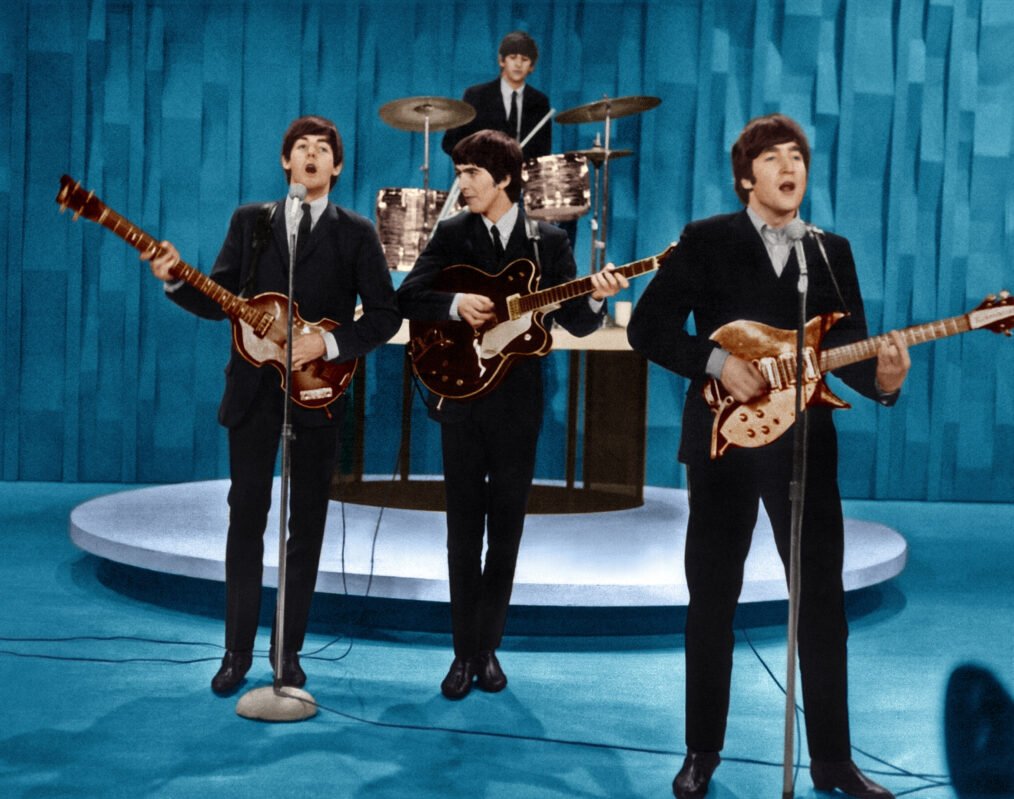
The Beatles weren't just the most influential band of all time; they were cinematic pioneers. From their groundbreaking narrative comedies that captured the chaos of Beatlemania to avant-garde experiments and raw, intimate documentaries, the Fab Four consistently pushed the boundaries of what a music group could achieve on screen. Their filmography isn't just a collection of movies; it's a visual chronicle of their evolution, a vibrant extension of their legendary musical legacy.
These films offer an unparalleled window into the lives, humor, and creative genius of John, Paul, George, and Ringo, cementing their status not only as musicians but as unlikely yet magnetic movie stars. Join us as we journey through the diverse and often revolutionary world of "films by The Beatles," exploring how each project contributed to their monumental cultural footprint.
When Rock Stars Became Movie Stars: The Narrative Comedy Era
The Beatles’ initial foray into feature films was nothing short of a sensation. A Hard Day's Night (1964) arrived at the peak of Beatlemania, offering a fictionalized, yet exhilarating, glimpse into their frantic touring life. Directed by Richard Lester, this black-and-white masterpiece expertly captured their individual personas—Lennon's wit, McCartney's charm, Harrison's quiet cool, and Starr's endearing luck. It was a groundbreaking "jukebox musical" that presented artists playing themselves with unprecedented comedic flair, moving beyond traditional rags-to-riches tropes.
The follow-up, Help! (1965), also helmed by Lester, saw the band in vibrant color, entangled in a madcap plot involving an Eastern cult and a sacrificial ring. Filmed in exotic locales, it blended pop art visuals with James Bond satire, further solidifying their on-screen presence. While perhaps not as critically adored as its predecessor upon release, Help! is now retrospectively celebrated for its influential, proto-music video aesthetic. To delve deeper into these iconic productions and their unique blend of music and comedy, you'll want to Explore Beatles narrative and comedy.
Pushing Creative Boundaries: Experimental and Animated Ventures
As The Beatles evolved musically, so too did their cinematic ambitions. Magical Mystery Tour (1967), conceived largely by Paul McCartney, was a spontaneous, unscripted television film that followed a group on a surreal British bus journey. While initially met with mixed reviews upon its UK broadcast, its experimental nature and psychedelic imagery marked a bold, if divisive, artistic statement from a band unafraid to challenge conventions.
Their next venture, Yellow Submarine (1968), was a triumph of animated artistry. This vibrant musical fantasy, featuring cartoon versions of the band (voiced by actors, with a live-action cameo), was acclaimed for its innovative psychedelic visual style and clever humor. It wasn't just a children's film; it was a groundbreaking animation that departed from Disney's norms and is often credited with revitalizing the feature-length animated film. Beyond the straightforward narrative, The Beatles weren't afraid to push boundaries, venturing into surreal animation and experimental television. For a closer look at these unique ventures, Explore Beatles film projects.
Documenting the Moments: Creative Process and Touring Years
Beyond their narrative features, The Beatles extensively documented their lives, tours, and creative processes, often anticipating the modern music documentary. Early promotional films for singles like "Day Tripper" and "We Can Work It Out" (starting in late 1965) were direct predecessors to music videos, allowing them to connect with audiences without constant TV appearances. These clips, and many others, were later remastered and collected, offering a fascinating glimpse into their visual evolution.
The raw intimacy of Let It Be (1970) offered a poignant, unvarnished look at the band rehearsing and recording their final album. Shot in January 1969, it captured the prevailing tensions, including a heated exchange between McCartney and Harrison, and famously showcased their iconic rooftop concert. Though initially a difficult watch given their impending breakup, its 2021 restoration and expansion as The Beatles: Get Back offered a more nuanced perspective, highlighting their enduring camaraderie amidst the friction. Films like The Beatles at Shea Stadium (1966) and The Beatles: Eight Days A Week - The Touring Years (2016) also chronicle their electrifying live performances, giving fans a front-row seat to Beatlemania. The very fabric of their recordings and performances, from the intimate studio sessions of Let It Be to the electrifying global stages of Eight Days A Week, provides unparalleled insight into their genius. Explore Beatles documentaries Discover their creative like never before.
The Heart of the Cinematic Experience: Music and Soundtracks
It's impossible to discuss The Beatles' films without celebrating the incredible soundtracks that accompanied them. Their cinematic ventures were intrinsically tied to their musical output, creating a symbiotic relationship that few artists have matched. The songs composed for A Hard Day's Night and Help! became instant classics, woven seamlessly into the plots, while Yellow Submarine featured new, iconic tracks like "Hey Bulldog" and "All Together Now."
Even the documentaries like Let It Be served as direct showcases for their album, allowing audiences to witness the songs come to life. These films were more than just vehicles for their music; they were visual extensions that deepened the meaning and expanded the experience of their legendary songs. For an in-depth analysis of how music shaped their on-screen narratives, Explore Beatles film music Discover their enduring influence.
Beyond the Band: Individual Film Journeys and Enduring Legacy
The Beatles' individual members also pursued diverse film careers after the group's split. Ringo Starr carved out a notable acting career, earning praise for roles in Candy, The Magic Christian, and later co-starring with Paul McCartney in Give My Regards to Broad Street. John Lennon explored avant-garde cinema with Yoko Ono and acted in Richard Lester's How I Won the War.
George Harrison found significant success as a film producer, famously mortgaging his home to finance Monty Python's Life of Brian through his HandMade Films company. He went on to produce acclaimed titles like Time Bandits and Withnail and I. Paul McCartney, besides Give My Regards to Broad Street, also had cameos in films like Pirates of the Caribbean: Dead Men Tell No Tales. This continued engagement with cinema underscores their lasting fascination with the medium.
Ultimately, the body of work amassed by The Beatles on screen has left an indelible mark, influencing generations of filmmakers and musicians alike. The way these films were received and their lasting cultural imprint is a fascinating study in itself. To understand the profound impact and evolution of their film legacy, Critical Reception and Cultural Legacy.
The Beatles on Screen: A Story Still Unfolding
Even decades after their breakup, the cinematic narrative of The Beatles continues to evolve. Recent restorations like Let It Be - Restored (2024) and the critical success of Get Back prove there's an insatiable appetite for new perspectives on their story. Looking ahead, the announcement of Sam Mendes' ambitious "Four-Film Cinematic Event" (planned for April 2028), with individual biopics for each band member, promises to bring their saga to a new generation in an unprecedented way. From their spontaneous early comedies to the complex documentaries and the exciting biopics yet to come, the "films by The Beatles" remain a vital, ever-unfolding chapter in the story of the world's most beloved band.